
How to Use the 4x4 Drive Modes on the 2025 Jeep Gladiator
Posted at Tue, Sep 16, 2025 1:30 PM
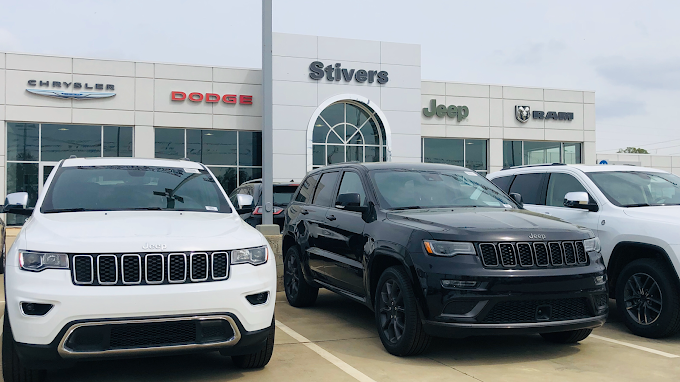
The 2025 Jeep Gladiator stands out as the only open-air pickup truck on the market, combining true Jeep capability with the usefulness of a midsize truck bed. For drivers around Prattville, Montgomery, and central Alabama, that means a vehicle that feels comfortable on the daily commute but is still ready for muddy job sites, gravel back roads, weekend camping trips, and off-road adventures. Understanding how the Gladiator's four-wheel-drive system works can help you get better traction, use the correct settings with confidence, and protect the drivetrain over time. At Stivers Chrysler Dodge Jeep Ram in Prattville, we put together this Jeep Gladiator 4WD guide to explain the available systems, when to use each drive mode, and what owners should know before heading off the pavement.
Understanding the 2025 Jeep Gladiator's 4WD System
The 2025 Jeep Gladiator delivers classic Jeep utility with real truck capability. It is powered by a 3.6-liter Pentastar V-6 engine paired with an eight-speed automatic transmission, giving drivers a strong balance of everyday drivability, trail performance, and towing confidence. Heavy-duty Dana 44 axles, available off-road hardware, and Jeep's proven part-time 4x4 engineering all play a role in why the Gladiator remains a favorite for drivers who want more than a standard pickup.
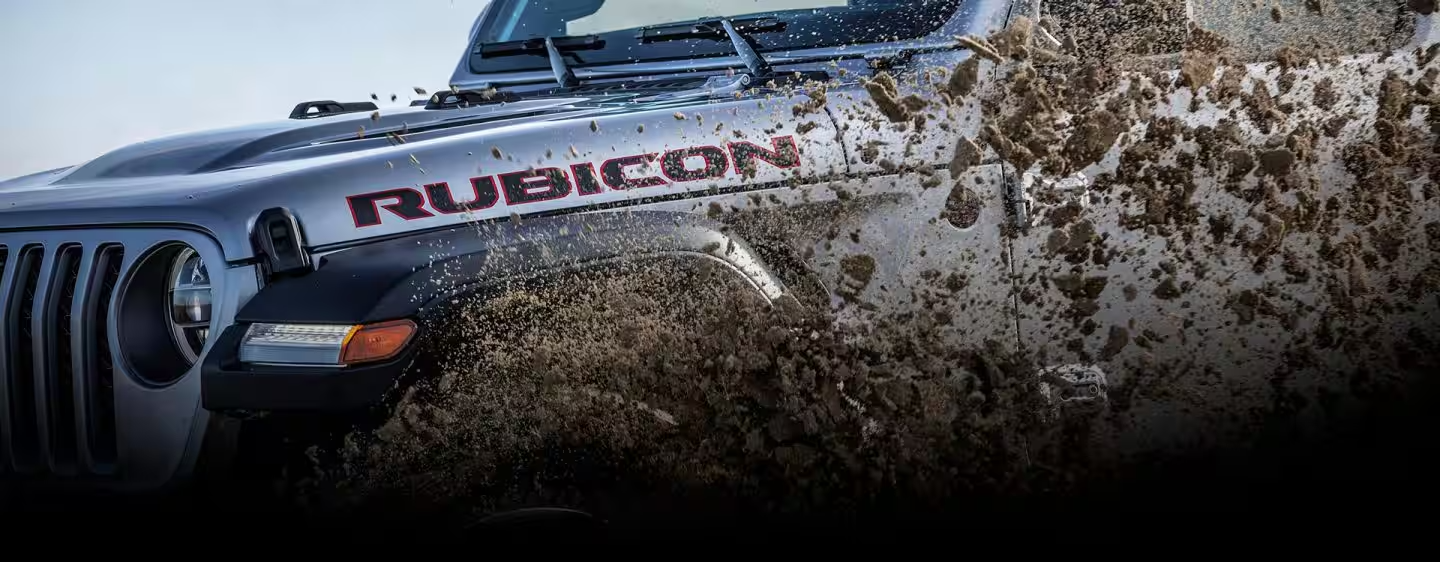
Most trims use the Command-Trac part-time 4x4 system, which lets you shift between 2WD and 4WD High when conditions call for more grip. Rubicon models step up to the Rock-Trac heavy-duty part-time 4x4 system, adding a 4:1 transfer case that is designed to deliver better low-speed control on difficult terrain. Depending on trim, the Gladiator can also include off-road upgrades such as locking differentials, disconnecting sway bar functionality, all-terrain tires, skid plates, and performance suspension tuning. Those features matter when trails become uneven, surfaces turn slick, or precise wheel placement becomes important.
The Gladiator also carries the Jeep Trail Rated badge, which reflects testing in traction, water fording, maneuverability, articulation, and ground clearance. In real-world terms, that means the Gladiator is engineered to handle much more than a basic paved-road routine. Whether you need extra confidence on a rainy Alabama morning or want to explore beyond the pavement on the weekend, understanding the truck's drive modes helps you use that capability the right way.
Overview of Available Jeep Gladiator 4WD Modes
The 2025 Jeep Gladiator lineup includes a wide range of trims, including the Sport, Nighthawk, Sport S, High Tide, Big Bear, Willys, Mojave, Rubicon, Rubicon X, and Mojave X. Each version brings a different mix of comfort, technology, and off-road hardware, but understanding the core drive modes is helpful no matter which Gladiator you choose.
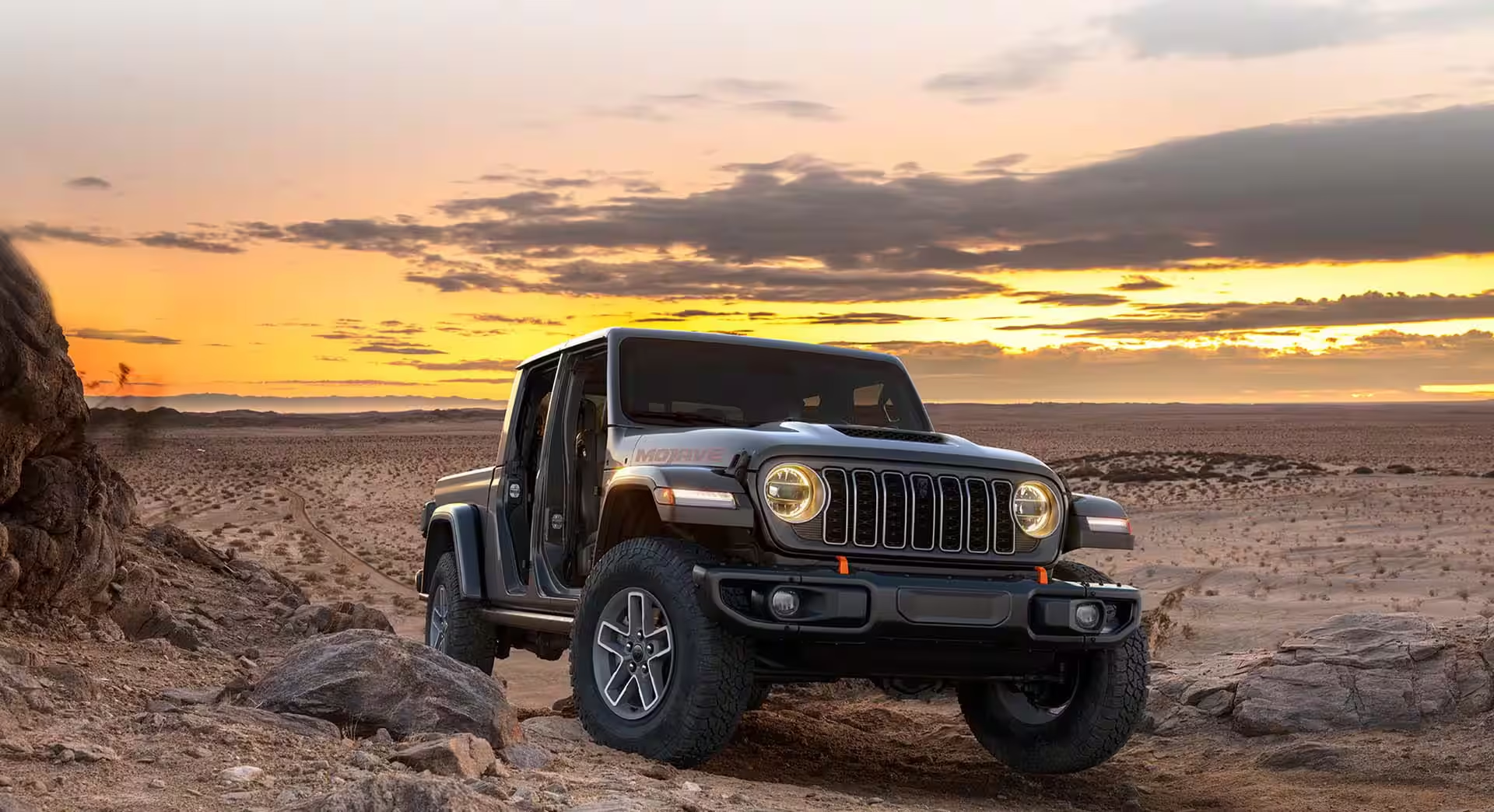
Mojave models are tuned with desert-focused equipment for higher-speed performance over sand and rough terrain, while Rubicon models focus more on technical trail capability. Even so, every Gladiator benefits from proper 4x4 usage. Knowing when to stay in 2WD, when to move into 4WD High, and when low-range gearing makes sense can improve traction, help protect components, and make the truck feel more capable in everyday driving and weekend recreation alike.
2WD Mode: Best for Daily Driving and Efficiency
Two-wheel drive is the default mode for normal road use, especially on dry pavement. In 2WD, the Gladiator sends power to the rear wheels only, which helps reduce drivetrain drag and supports smoother day-to-day operation. This is the right choice for most city driving, highway cruising, errands around Prattville, and commuting through the Montgomery area when road conditions are stable.
Using 2WD when extra traction is not needed also helps you make the most of the Gladiator's fuel economy. For many drivers, that makes 2WD the mode they will use most often. The key is to switch out of it when roads become slick or loose enough that extra traction would provide a meaningful benefit.
4WD High: Better Traction for Rain, Gravel, and Loose Surfaces
Four-wheel drive high, often called 4H, is the mode most Gladiator owners will use when weather or surface conditions become less predictable. This setting sends power to all four wheels to improve traction on slippery or unstable ground. It can be useful during heavy rain, on muddy access roads, on gravel roads outside the city, at campsites, or on light to moderate trails where extra grip helps maintain confidence.
For Alabama drivers, 4WD High can be especially useful during sudden weather changes, standing water, slick dirt roads, or uneven rural terrain. It is also helpful when launching a boat on a slippery ramp or traveling across a loose surface where rear-wheel traction alone may not feel as secure. Because 4H is meant for low-traction surfaces, it should not be used continuously on dry pavement.
4WD Low: Low-Speed Control for Serious Off-Road Conditions
Four-wheel drive low, or 4L, is intended for more demanding situations where maximum torque and low-speed control matter more than speed. This mode is ideal for steep climbs, uneven rocky trails, deep mud, deep sand, or other situations where you need the truck to move carefully and deliberately. By engaging low-range gearing, the Gladiator can deliver stronger torque multiplication and better control at slower speeds.
This is not a mode for normal roads or quick driving. Instead, 4WD Low is the setting you use when traction is limited and careful throttle control matters most. Drivers tackling off-road trails, washed-out paths, or heavily rutted terrain will appreciate how much easier the Gladiator feels to manage when 4L is used correctly.
Additional Drive Modes and Terrain Management Features
Depending on trim and equipment, the Gladiator may also include terrain-focused settings that adjust throttle response, transmission behavior, and traction system calibration. Snow settings are designed to help reduce wheelspin and improve control in slick conditions. Mud or Sand settings allow more wheel movement to help maintain momentum on softer or looser surfaces. Rock-focused settings, when equipped, work with low-range gearing and off-road hardware to support slow-speed trail performance.
These settings are helpful because they fine-tune how the vehicle responds, but they work best when paired with the correct 4x4 mode and smart driving technique. Even with advanced hardware, the driver still plays the biggest role in choosing the right speed, tire pressure, line, and terrain approach.
Step-By-Step Guide to Switching Jeep Gladiator Drive Modes
Learning how to engage the Gladiator's 4x4 system properly is one of the best things a new owner can do. If you are unfamiliar with the truck, start by locating the transfer case lever and reviewing the owner's manual so you understand the sequence for each mode. That way, if conditions change quickly, you already know where the controls are and how the system is supposed to respond.
For everyday use, shifting from 2WD to 4WD High is generally straightforward when you are traveling at an appropriate speed on a loose or slippery surface. If you need 4WD Low, slow the vehicle, place the transmission in neutral, and follow the proper engagement steps before moving forward again. Always make sure the mode indicator confirms the change. Rushing the process or using the wrong mode on the wrong surface can lead to driveline stress, rough engagement, or reduced control.
If you are new to Jeep ownership, it is worth practicing these steps in a safe location before you actually need them on a trail or in poor weather. The more familiar you are with the controls, the easier it becomes to use the Gladiator's capability with confidence.
Jeep Gladiator Best Practices and Safety Tips
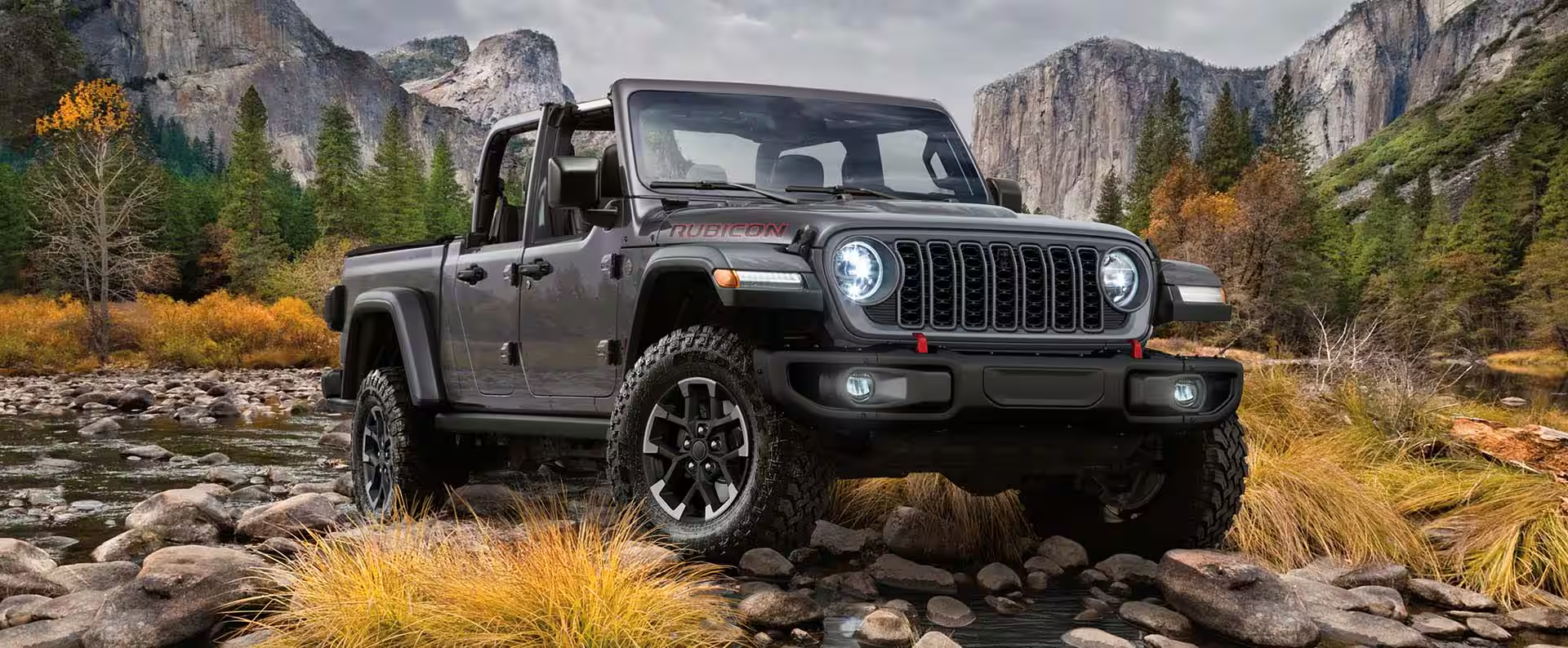
The Gladiator is built for adventure, but using its 4x4 system correctly matters just as much as having the hardware. One of the most important rules is to avoid using 4WD on dry pavement. Because a part-time 4x4 system is designed for surfaces that allow some wheel slip, using it on high-traction pavement can create binding in the drivetrain. Over time, that can increase wear and lead to expensive repairs.
It is also smart to match your speed to the terrain. Even with strong clearance and capable suspension, loose gravel, mud, standing water, and rocky surfaces can change quickly. Smooth throttle inputs, controlled steering, and careful braking are always safer than aggressive driving. If you plan to go off-road regularly, a recovery strap, properly rated shackles, gloves, flashlight, portable air compressor, tire deflator, first-aid kit, and extra water are all smart items to carry. Many owners also bring traction boards and a shovel for additional peace of mind.
Tire pressure can also make a major difference in traction and ride quality when off-roading. Some drivers air down on loose terrain to improve the contact patch, then air back up before returning to pavement. That can be helpful, but it should always be done carefully and with the proper equipment. If you are unsure about where to start, our team can help explain the basics during your visit.
Maintenance and Troubleshooting Your 4WD System
Keeping the Gladiator's 4x4 system in good shape starts with regular service and smart inspections. Transfer case fluid, axle fluid, and general underbody checks become even more important if your truck sees mud, water crossings, trail use, towing, or heavy hauling. Tire condition also matters more than many drivers realize. Mismatched tire sizes, uneven tread wear, or inconsistent tire pressures can affect how the drivetrain behaves and may cause unnecessary strain over time.
The 2025 Jeep Gladiator is backed by a basic warranty of 36 months or 36,000 miles and a powertrain warranty of 60 months or 60,000 miles. New Gladiator ownership also includes Jeep Wave benefits, which add valuable ownership perks for eligible models. To help protect your truck, following the factory maintenance schedule and scheduling service when warning signs appear is the best approach. Grinding noises, difficulty engaging 4WD, vibration, leaks, or warning lights should all be checked by a trained technician as soon as possible.
If you have questions about service intervals or want help preparing your Gladiator for seasonal travel, trail use, or towing, our service department can help. Preventive maintenance is one of the easiest ways to keep your Jeep ready for both everyday driving and weekend adventure.
Jeep Gladiator 4x4 and 4WD System: Frequently Asked Questions
How does the Jeep Gladiator 4WD system work?
The 2025 Jeep Gladiator uses Jeep's Command-Trac or Rock-Trac part-time 4x4 system, depending on trim. These systems send power to all four wheels when extra traction is needed on loose, muddy, sandy, or uneven surfaces. In normal daily driving, the Gladiator can stay in 2WD to reduce driveline drag and help efficiency. When road or trail conditions change, drivers can shift into 4WD High for added grip, while Rubicon models with Rock-Trac also offer a 4:1 low-range transfer case for serious crawling and low-speed control.
When should I use 2WD vs 4WD High vs 4WD Low?
-
2WD: Use this for normal driving on dry pavement and routine commuting around Prattville and Montgomery.
-
4WD High: Use this when roads are slick from rain, loose gravel, mud, or other lower-traction conditions where more grip is helpful.
-
4WD Low: Use this for slow-speed off-road situations such as deep mud, steep climbs, uneven terrain, or rocky trails where maximum torque and control are needed.
A good rule to remember is that 4WD is for low-traction conditions, not dry pavement. Choosing the right mode helps the truck work the way it was designed to.
What is the difference between the Command-Trac and Rock-Trac systems?
Command-Trac is the Gladiator's part-time 4x4 system designed for confident use in changing weather and moderate off-road conditions. It is a strong fit for drivers who want everyday capability plus the confidence to handle dirt roads, wet grass, gravel, and light trail use. Rock-Trac, found on Rubicon models, is built for more demanding off-road situations and adds a 4:1 low-range transfer case for greater control at very low speeds. That setup helps the Gladiator crawl over rocks, ledges, and uneven terrain with more precision.
Can you switch into 4WD while driving?
Yes. In the 2025 Jeep Gladiator, drivers can shift from 2WD into 4WD High while moving at appropriate speeds in the right conditions. For 4WD Low, the vehicle should be brought to a near stop or complete stop, the transmission placed in neutral, and the transfer case shifted into 4L according to the owner's manual instructions. Using the proper steps helps the system engage smoothly and reduces unnecessary strain on the drivetrain.
How do the terrain modes like Sand, Snow, and Rock work?
On properly equipped Gladiator models, terrain management settings are designed to tailor throttle response, traction behavior, and shift patterns for specific conditions. Snow settings help reduce wheelspin and make starts feel more controlled on slick roads. Sand or Mud settings allow more wheel movement so the tires can maintain momentum on loose surfaces. Rock-focused settings work with low-range gearing and off-road hardware to improve slow-speed control on technical trails. These modes do not replace good driving judgment, but they can help the Gladiator respond more effectively in changing terrain.
What maintenance does the Gladiator's 4WD system need?
Routine 4WD system care includes checking transfer case and axle fluids at the intervals recommended in the owner's manual, especially if the truck sees frequent towing, water crossings, mud, or off-road use. Drivers should also keep tire sizes, tread depth, and inflation pressures as even as possible because mismatched tires can affect driveline operation. It is also smart to inspect skid plates, underbody components, and seals after trail use. If you notice unusual noises, warning lights, vibration, or difficulty engaging 4WD, schedule service promptly.
What safety gear should I carry when using 4WD off-road?
A smart off-road kit for the Jeep Gladiator can include a recovery strap, properly rated shackles, gloves, a portable air compressor, tire deflator, flashlight, first-aid kit, water, and a fully charged phone or trail communication device. Depending on the terrain, many drivers also carry traction boards, a shovel, and a spare tire in good condition. The right gear helps you handle changing trail conditions more safely and makes it easier to recover if you get stuck.
Experience the 2025 Jeep Gladiator's Capability at Stivers CDJR
Once you understand how the 2025 Jeep Gladiator's 4WD system works, it becomes much easier to use the truck the way Jeep intended. From rainy Alabama roads to weekend trail runs and outdoor travel, the right drive mode can improve confidence, traction, and overall control. The Gladiator remains a strong choice for drivers who want real pickup utility without giving up the open-air freedom and off-road character Jeep is known for.
At Stivers CDJR, located at 2209 Cobbs Ford Road in Prattville, we are here to help you find the right Gladiator for your needs and explain the differences between trims, 4x4 systems, and off-road features. Browse our Gladiator inventory, then call us at 866-818-9168 or contact us online to schedule a test drive and learn more about Jeep Gladiator capability in person.
Images by OEM